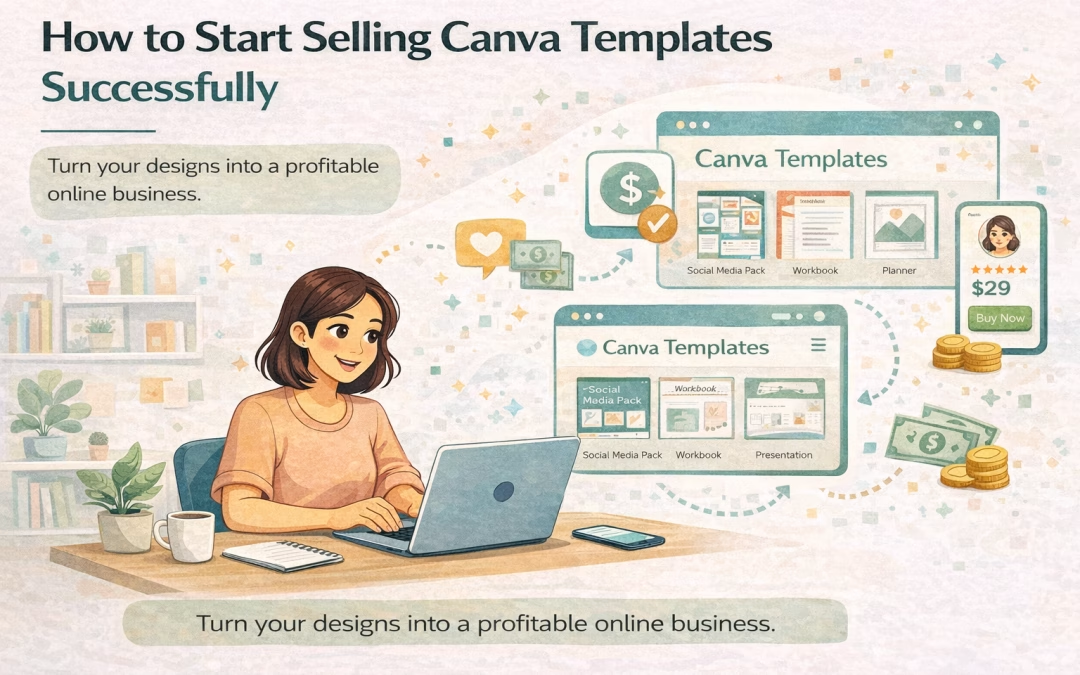
If you’ve ever designed something in Canva and thought, “This could help someone else,” you’re already halfway to building a profitable digital product. Canva templates are one of the most accessible and in-demand items in the online marketplace today. From social media graphics to business presentations, people are constantly searching for ready-made designs that save time and elevate their brand.
In this article, we’ll walk through how to start selling Canva templates successfully—covering everything from design strategy to pricing and marketing. Whether you’re a freelancer, content creator, or entrepreneur, this guide will help you turn your Canva skills into a revenue stream.
Why Canva Templates Are a Smart Digital Product
Canva has become the go-to design tool for millions of users worldwide. Its drag-and-drop interface, vast library of assets, and ease of use make it perfect for non-designers. But here’s the real opportunity: most users don’t want to design from scratch. They want templates.
Templates offer a shortcut to polished, professional-looking content. They save time, reduce stress, and help users maintain brand consistency. That’s why selling Canva templates is such a smart move—it’s scalable, low-cost, and in high demand.
You create a template once, and it can be sold hundreds or even thousands of times. That’s the beauty of digital products: you’re not trading time for money—you’re building assets.
Understanding Canva’s Platform and Selling Options
Before you start selling, it’s important to understand how Canva operates. Canva offers both free and Pro accounts. While free users get access to basic tools, Pro users unlock premium features like advanced templates, brand kits, and premium assets.
Canva also has a Contributor program, where approved designers can upload templates directly to the platform. If accepted, your designs can be featured in Canva’s library, giving you exposure to millions of users.
However, many successful sellers choose to host their templates elsewhere—on platforms like Etsy, Gumroad, or their own websites. These options offer more control over pricing, branding, and customer relationships.
The key is choosing the platform that aligns with your goals. If you want to build a brand and own your customer base, a personal website or Gumroad might be ideal. If you prefer tapping into existing traffic, Etsy or Canva’s marketplace could be the way to go.
Is Selling Canva Templates Right for You?
You don’t need to be a professional designer to succeed in this space. In fact, many top sellers started as bloggers, virtual assistants, or small business owners who simply understood what their audience needed.
If you’ve ever created a lead magnet, social media post, or business document in Canva, you already have the skills to start. The real question is: can you solve a problem with your design?
Let’s say you’re a life coach. You could create a set of Instagram templates tailored for motivational quotes. Or maybe you’re a wedding planner—why not design editable invitations or seating charts?
The best templates are born from real-world needs. If you can identify a niche and create something that saves people time or helps them look more professional, you’re on the right track.
Designing Templates That Actually Sell
Creating a Canva template is easy. Creating one that sells? That’s where strategy comes in.
Start by thinking about your ideal customer. What do they need? What kind of aesthetic do they prefer? What problems are they trying to solve?
Design with clarity and usability in mind. Use clean layouts, readable fonts, and versatile color schemes. Avoid clutter. Make sure your templates are easy to customize—use text boxes, grouped elements, and placeholder images.
Also, test your templates before listing them. Ask a friend or colleague to try editing one. If they get stuck or confused, tweak the design. The goal is to make the user experience as smooth as possible.
And don’t forget: your template should look good on both desktop and mobile. Many users will be editing on their phones, so responsive design matters.
Where to Sell Your Canva Templates
Once your template is ready, it’s time to choose your sales platform. Here are a few popular options:
Etsy: A great starting point with built-in traffic and a marketplace full of buyers looking for digital products.
Gumroad: Ideal for creators who want more control over pricing, branding, and customer communication.
Your own website: Best for long-term growth. You can build an email list, upsell products, and create a branded experience.
Canva Contributor Program: If accepted, your templates can be featured directly in Canva’s library.
Each platform has its own pros and cons. Etsy is beginner-friendly but competitive. Gumroad offers flexibility but requires you to drive your own traffic. Your own site gives you full control but demands more setup.
Start where you feel most comfortable, then expand as you grow.
Smart Pricing Strategies for Digital Success
Pricing is part art, part science. You want to be competitive, but you also need to value your work.
Most Canva templates sell between $5 and $25, depending on complexity, niche, and perceived value. A single Instagram post template might go for $7, while a bundle of 30 could sell for $25 or more.
Think in terms of value, not just effort. If your template helps someone save hours of work or improve their brand, it’s worth more than a few bucks.
Consider offering bundles, upsells, or even subscriptions. For example, a monthly membership that gives users access to new templates each month can create recurring revenue.
And always factor in platform fees. Etsy takes a percentage, Gumroad has transaction costs, and running your own site may involve hosting and payment processing fees.
Marketing Your Templates Like a Pro
Creating a great template is only half the battle. To make sales, you need visibility.
Start with SEO. Use keywords in your product titles, descriptions, and tags. Think like your customer: What would they search for? “Instagram post template for coaches” is more specific and effective than “social media template.”
Next, tap into Pinterest. Canva templates are highly visual, and Pinterest users love discovering new tools. Create pins that showcase your designs and link back to your product page.
Don’t overlook email marketing. Offer a free template in exchange for an email address. Then nurture your list with tips, updates, and exclusive offers. Email is one of the most powerful tools for building a loyal customer base.
Consistency is key. Post regularly, engage with your audience, and keep refining your strategy based on what works.
Avoid These Common Mistakes
Even experienced sellers make missteps. Here are a few to watch out for:
Don’t copy other designers. It’s tempting to mimic what’s already selling, but originality wins in the long run. Plus, copying can lead to copyright issues and damage your reputation.
Don’t ignore your audience. If your templates aren’t selling, ask for feedback. What’s missing? What could be improved? Your customers are your best source of insight.
Don’t forget to test your links. A broken Canva link can ruin a sale and lead to bad reviews. Always double-check your delivery process.
And most importantly, don’t give up too soon. Selling templates is a long game. It takes time to build traction, refine your products, and grow your audience. Stay consistent, keep learning, and your efforts will pay off.
Start Selling Canva Templates Today
Selling Canva templates is one of the most accessible ways to earn online. You don’t need a huge budget, a design degree, or a massive following. You just need a good idea, a clean design, and the willingness to learn.
Start small. Create a few templates. Choose a platform. Get feedback. Then iterate and grow.
Your first sale might take time—but it’s the start of something big.
Ready to turn your Canva skills into a business? Start today, and let your creativity work for you.
Selling globally isn’t just a growth strategy—it’s a survival tactic. Whether you’re a solopreneur selling design templates or a SaaS founder launching a new tool, your audience is likely spread across continents. But here’s the challenge: pricing digital products for international audiences is both an art and a science.
If you price too high, you alienate price-sensitive markets. Too low, and you risk undervaluing your product or hurting your margins. So how do you strike the right balance?
Let’s unpack the strategies that help you price smart, sell globally, and scale sustainably.
Why International Pricing Matters More Than Ever
The rise of remote work, digital nomadism, and borderless commerce has made international sales the norm. Platforms like Gumroad, Shopify, and Stripe have made it easier than ever to sell digital products across borders. But with that ease comes complexity.
Your pricing strategy directly impacts conversion rates, customer trust, and brand perception.
For example, a U.S.-based online course priced at $99 might convert well domestically. But in countries like India or Brazil, where the average income is significantly lower, that same price could be a barrier. On the flip side, underpricing in high-income regions like Switzerland or Norway might make your product seem low-quality.
Global pricing isn’t just about accessibility—it’s about positioning.
Understanding the Global Digital Marketplace
Before you set prices, you need to understand who you’re selling to. The global digital marketplace is fragmented, and each region has its own quirks.
North America & Western Europe: Consumers are used to subscriptions, bundles, and tiered pricing. They value convenience and are willing to pay for premium features.
Southeast Asia & Latin America: These markets are mobile-first and price-sensitive. Freemium models and microtransactions often perform better.
Africa & South Asia: These regions are rapidly growing in digital adoption but require localized pricing and payment options.
Use tools like Google Analytics, Hotjar, or Mixpanel to segment your audience by geography. Look at conversion rates, bounce rates, and time on page by region. This data will help you identify where your pricing might be working—or failing.
The Psychology of Pricing Across Cultures
Pricing is deeply psychological. And psychology isn’t universal.
In the U.S., charm pricing (e.g., $9.99) is common because it creates a perception of value. But in Japan, round numbers are often preferred for their simplicity and trustworthiness. In Germany, consumers tend to be analytical and value transparency—hidden fees or vague pricing can kill conversions.
Cultural pricing cues matter. For example:
In China, the number 8 is considered lucky. Pricing something at ¥88 might subconsciously feel more appealing.
In the Middle East, prestige pricing (higher price = higher quality) can work well for luxury or professional products.
In India, psychological pricing often revolves around perceived deals—“Buy 1 Get 1” or “Limited Time Offers” resonate more than static pricing.
Understanding these nuances helps you craft pricing that feels familiar and trustworthy to your audience.
Currency Conversion vs. Value-Based Pricing
Let’s get one thing straight: currency conversion is not a pricing strategy.
If you simply convert $50 to euros, pesos, or rupees using the day’s exchange rate, you’re missing the bigger picture. That price might be technically accurate, but it may not reflect the local value perception.
Instead, use value-based pricing—a strategy that sets prices based on what your product is worth to the customer in their context.
Here’s how to apply it:
Research local competitors. What are similar products priced at in that region?
Understand the problem your product solves. Is it a “nice-to-have” or a “must-have” in that market?
Gauge willingness to pay. Use surveys, interviews, or A/B testing to find the sweet spot.
Example: A productivity app might be priced at $10/month in the U.S., but in Indonesia, a localized version at $3/month could outperform it in volume and retention.
Value-based pricing respects local realities while maximizing your global reach.
Local Economic Factors You Can’t Ignore
Economic conditions shape consumer behavior. If you ignore them, your pricing will feel tone-deaf.
Consider:
Purchasing power parity (PPP): A $20 product might be affordable in Canada but expensive in Kenya.
Inflation and currency volatility: In countries with unstable currencies, fixed pricing can lead to wild fluctuations in perceived value.
Average income and spending habits: A student in Vietnam might spend $5 on a course, while a professional in Germany might spend $100 on the same content.
Solution? Tiered pricing. Offer different pricing tiers based on region, income level, or usage. For example:
Basic Tier: $5/month (for emerging markets)
Standard Tier: $15/month (for mid-income regions)
Premium Tier: $30/month (for high-income regions)
This approach lets you serve more people without compromising your margins.
Navigating Taxes, Regulations, and Compliance
Selling digital products globally means dealing with international tax laws. And yes, it can get messy.
EU VAT rules require you to charge VAT based on the buyer’s location.
Australia and New Zealand have similar digital tax laws.
India imposes GST on digital services sold to Indian consumers.
If you’re not compliant, you risk fines, bans, or payment processor issues.
Thankfully, platforms like Paddle, Gumroad, and FastSpring handle tax compliance for you. They automatically calculate and collect the correct taxes, generate invoices, and ensure you’re following local laws.
Don’t DIY this. Use tools that specialize in global digital commerce.
Tools and Platforms That Simplify Global Pricing
You don’t need to reinvent the wheel. There are platforms designed to help you price and sell globally.
Shopify: Supports multi-currency pricing and localized checkout experiences.
Gumroad: Lets you set prices in different currencies and handles VAT.
Paddle: Ideal for SaaS businesses, with built-in tax compliance and regional pricing.
SendOwl: Great for selling digital downloads with multi-currency support.
Pro Tip: Use geolocation tools to show region-specific pricing on your website. This creates a seamless experience and builds trust.
Testing and Iterating Your International Pricing Strategy
Pricing isn’t static—it’s iterative.
Run experiments. Try different price points in different regions. Use A/B testing to compare conversion rates. Monitor refund requests, cart abandonment, and customer feedback.
Example: You might discover that bundling your products increases conversions in Latin America, while offering a free trial boosts retention in Europe.
Use tools like Optimizely, Google Optimize, or VWO to test pricing strategies. Track performance over time and adjust based on real data—not assumptions.
The goal is continuous improvement.
Common Mistakes to Avoid When Pricing Globally
Let’s talk about the pitfalls that trip up even seasoned entrepreneurs:
Using only exchange rates: This ignores local value perception.
Ignoring local competition: You need to know what alternatives exist in each market.
Not localizing your checkout: If your payment page is in USD only, you’re losing sales.
Failing to communicate value: If your audience doesn’t understand why your product is worth the price, they won’t buy.
Avoid these traps, and your global pricing strategy will be far more effective.
Final Thoughts + Call to Action
Pricing digital products for international audiences isn’t just about numbers—it’s about empathy, strategy, and adaptability. When you understand your global customers, respect their economic realities, and use the right tools, you unlock massive growth potential.
Here’s your action plan:
Audit your current pricing strategy.
Segment your audience by region.
Research local competitors and economic conditions.
Test value-based pricing models.
Use platforms that support global commerce and compliance.
Ready to go global with confidence? Let’s talk. Drop a comment below or reach out—I'd love to help you craft a pricing strategy that scales across borders and cultures.
In 2025, the digital economy is not just thriving — it's exploding. From solopreneurs to large-scale creators, everyone is tapping into the power of digital downloads to generate income, build brands, and reach global audiences. Whether you're selling ebooks, design templates, music, software, or online courses, choosing the right digital download marketplace is critical.
This guide breaks down the top 5 platforms to sell digital downloads online, comparing features, fees, and ideal use cases. If you're serious about growing your digital business, this post will help you make an informed decision.
Why Digital Downloads Are Booming in 2025Several macro trends are fueling the growth of digital product marketplaces:
Remote work and freelancing: More people are working independently and creating digital assets.
AI content creation: Tools like ChatGPT, Midjourney, and Runway have made it easier to produce ebooks, templates, and media.
Low overhead: No shipping, no inventory, no physical logistics.
Global scalability: Sell once, deliver instantly to anyone, anywhere.
Digital downloads are now a core part of ecommerce, and platforms are evolving to meet the demand.
What Makes a Marketplace Ideal for Sellers?
Before choosing a platform, consider these key factors:
Ease of Use – Can you set up and start selling quickly?
Payment Integration – Does it support PayPal, Stripe, and global currencies?
Marketing Tools – Are SEO, email marketing, and analytics built-in?
Audience Reach – Does the platform have a built-in customer base?
Pricing & Fees – Are the costs transparent and fair?
Let’s dive into the top 5 platforms that check these boxes.
1. Gumroad
Overview & Key Features
Gumroad is a creator-first platform that allows you to sell digital products directly to your audience. It’s ideal for those who want simplicity and control.
Supports ebooks, music, software, memberships, and more
No monthly fees — pay per transaction
Built-in email marketing, analytics, and affiliate tools
Pay-what-you-want pricing model
Pricing & Fees
10% fee on your first $1,000 in sales
After that: 3.5% + 30¢ per transaction
No monthly subscription
Pros and Cons
Pros:
Easy to use
Great for indie creators
Flexible pricing and licensing options
Cons:
Limited storefront customization
No built-in marketplace discovery
Best For
Creators, artists, indie developers who want a direct-to-consumer model with minimal friction.
Pro Tip
Use Gumroad’s email automation to upsell products and build customer loyalty. Combine it with a personal blog or social media funnel for best results.
2. Etsy (Digital Section)
How Etsy Supports Digital Products
Etsy isn’t just for handmade goods anymore. Its digital section is booming with printables, planners, templates, and design assets.
Instant file delivery
SEO-friendly product listings
Massive built-in audience
Strong buyer trust and repeat customers
Audience Reach & Niche Potential
Etsy’s audience is highly engaged and often searching for creative solutions. If you sell planners, fonts, or digital art, Etsy is a goldmine.
Pricing & Fees
$0.20 listing fee per item
6.5% transaction fee
Optional advertising and promotional fees
Pros and Cons
Pros:
High traffic volume
Easy to list and manage products
Strong community and trust
Cons:
Saturated niches
Limited branding control
Fees can add up with ads and promotions
Best For
Designers, printable sellers, and creators targeting a creative, DIY audience.
Pro Tip
Use Etsy’s “Shop Updates” and “Etsy Ads” to boost visibility. Optimize your product titles and tags for Etsy SEO.
3. Payhip
Features That Empower Sellers
Payhip is a flexible platform that supports digital downloads, memberships, coaching, and physical products.
Instant file delivery
EU VAT handling
Coupon codes, affiliate marketing, and upselling
Embed store on your own website
Payment Integration & Analytics
Supports PayPal and Stripe, with detailed analytics on sales, traffic, and customer behavior.
Pricing & Fees
Free plan: 5% transaction fee
Plus plan: $29/month, 2% fee
Pro plan: $99/month, 0% fee
Pros and Cons
Pros:
All-in-one platform
Great for international sellers
No upfront cost on free plan
Cons:
Limited marketplace exposure
Basic storefront design
Best For
Ebooks, courses, software, and sellers who want control over branding and customer experience.
Pro Tip
Use Payhip’s affiliate system to recruit promoters and expand your reach. Combine with email marketing for retention.
4. Sellfy
Built-In Marketing Tools
Sellfy is a robust ecommerce platform designed for creators who want a branded storefront and built-in marketing tools.
Email marketing automation
Upselling and discount features
Abandoned cart recovery
Custom domain support
Storefront Customization
Sellfy allows full branding control, making it ideal for creators with an existing audience or personal brand.
Pricing & Fees
Starter: $29/month
Business: $79/month
Premium: $159/month
No transaction fees
Pros and Cons
Pros:
Marketing automation
Beautiful storefronts
Supports digital, physical, and subscription products
Cons:
Monthly cost
Not ideal for beginners without an audience
Best For
Influencers, YouTubers, podcasters who want a branded experience and marketing tools.
Pro Tip
Use Sellfy’s upsell feature to bundle products and increase average order value. Integrate with YouTube or Instagram for traffic.
5. Creative Market
Premium Design-Focused Marketplace
Creative Market is a curated platform for high-quality design assets, including fonts, templates, stock photos, and UI kits.
Large design-focused audience
Licensing options for commercial use
Weekly promotions and bundles
High visibility for premium products
Licensing & Pricing Models
Sellers can set their own prices and offer extended licenses for commercial buyers. Creative Market handles licensing and compliance.
Pricing & Fees
40% commission on sales
No listing fees
Application required to join
Pros and Cons
Pros:
High-value customer base
Strong brand reputation
Great for premium design assets
Cons:
High commission
Limited control over storefront
Competitive application process
Best For
Designers, photographers, font creators targeting professional buyers and agencies.
Pro Tip
Focus on niche design assets like UI kits, font bundles, or presentation templates. Use Creative Market’s promotional tools to get featured.
Comparison Table
Platform
Best For
Fees
Audience Reach
Customization
Marketing Tools
Gumroad
Indie creators
10% → 3.5% + 30¢
Medium
Low
Basic
Etsy
Printable sellers
6.5% + listing fees
High
Medium
Moderate
Payhip
Ebook/course sellers
5% → 0% (Pro plan)
Low
Medium
Strong
Sellfy
Influencers, podcasters
$29+/month
Medium
High
Advanced
Creative Market
Designers, photographers
40% commission
High
Low
Moderate
How to Choose the Right Marketplace
Factors to Consider
When selecting a digital download marketplace, ask yourself:
Who is my target audience?
Do I want full control over branding?
What are the platform’s fees and payout terms?
Does it offer marketing tools or SEO support?
Am I selling niche or mass-market products?
Tips for Multi-Platform Selling
Don’t limit yourself to one platform. Many successful sellers use:
Gumroad for direct sales
Etsy for discovery and search traffic
Payhip for international reach and control
Sellfy for branded storefronts
Creative Market for premium exposure
Diversifying helps you reach more customers and reduce dependency on a single platform.
Final Thoughts
The landscape of digital product selling platforms in 2025 is more diverse and creator-friendly than ever. Whether you're a solo creator or a growing brand, there's a marketplace tailored to your needs.
Trends to watch include:
AI-generated digital products
Subscription-based content models
Micro-niche marketplaces
Creator-first monetization tools
The key is to start small, test your products, and scale based on performance.
Ready to start selling? Explore these top digital download marketplaces in 2025, test your products, and build a sustainable online business. The tools are here — now it’s your turn to take action.
We live in a world of digital noise. Ads flash. Notifications ping. Offers pop up. And yet, amidst all this, a buyer makes a decision. Not because of logic. Not because of specs. But because something felt right.
Digital products—courses, templates, memberships, eBooks—are intangible. You can’t hold them. You can’t smell them. You can’t touch them. So what makes someone click “Buy Now”?
It’s psychology. It’s emotion. It’s the story they tell themselves about who they are and who they want to become.
The Digital Mindset: A New Kind of Buyer
The digital buyer is not the same as the one walking into a store. They’re faster. More skeptical. More empowered. They’ve read reviews. Compared alternatives. Scanned your landing page in seconds. They’re not just buying a product—they’re buying a promise.
And they want that promise delivered with speed and clarity.
Instant gratification: Digital buyers expect immediate access. Waiting feels like friction.
Low friction: If the checkout process is clunky, they bounce. If the message is unclear, they scroll past.
Overwhelm: With endless options, buyers crave simplicity. They want someone to say, “This is for you.”
Understanding this mindset means designing not just for conversion, but for confidence.
Emotions Drive Decisions
We like to think we’re rational. But neuroscience tells a different story. Decisions are made emotionally, then justified logically. Here are the emotional triggers that matter most:
FOMO (Fear of Missing Out) Limited-time offers, countdown timers, and exclusive bonuses tap into our fear of being left behind. It’s not about urgency—it’s about relevance. “If I don’t act now, I’ll miss something important.”
Desire for Transformation People don’t buy information. They buy change. A course that promises “Learn Photoshop” is less compelling than “Design stunning visuals that get you hired.” The transformation is the hook.
Trust and Social Proof In a world of scams and spam, trust is currency. Testimonials, reviews, and user-generated content aren’t just nice—they’re necessary. They say, “Others have walked this path. You can too.”
Belonging We want to be part of something. A community. A movement. A tribe. Digital products that offer connection—forums, live calls, shared goals—create emotional stickiness.
Identity Is the Real Product
Here’s the truth: people don’t buy products. They buy better versions of themselves.
A productivity app isn’t just a tool—it’s a symbol of being organized. A fitness program isn’t just workouts—it’s a declaration of self-care. A writing course isn’t just lessons—it’s a step toward becoming an author.
When your product aligns with the buyer’s aspirational identity, it becomes irresistible.
Ask yourself:
Who does my buyer want to become?
How does my product help them get there?
What story are they telling themselves—and how can I support it?
Scarcity and Urgency: The Psychology of Now
Scarcity works because it introduces risk. The risk of missing out. The risk of regret.
But there’s a difference between ethical urgency and pressure tactics.
Ethical urgency: “Enrollment closes Friday because we start Monday.” It’s real. It’s respectful.
Pressure tactics: “Buy now or lose everything forever.” It’s manipulative. It erodes trust.
Use urgency to highlight value, not to corner your buyer. Respect their autonomy. Guide, don’t push.
Stories Sell Better Than Specs
Specs are forgettable. Stories are sticky. A story creates context. It makes your product relatable. It turns abstract benefits into emotional experiences. Instead of saying, “This course has 12 modules,” say, “Sarah used this course to land her dream job in 3 months.” Instead of listing features, tell a journey. The struggle. The breakthrough. The result.
Let your product be the quiet hero in someone’s transformation.
Designing for Simplicity
Cognitive load is the enemy of conversion. Every extra click, every vague headline, every confusing layout—it’s friction. And friction kills momentum.
Design for clarity:
Use simple language.
Make the next step obvious.
Remove distractions.
Buyers don’t want to think. They want to feel confident. Your job is to make that easy.
After the Sale: The Psychology Continues
The sale isn’t the end. It’s the beginning. Post-purchase psychology matters because excitement can quickly turn into doubt. “Did I make the right choice?” “Will this work for me?”
Here’s how to reinforce the decision:
Welcome email: Celebrate the buyer. Make them feel seen.
Clear onboarding: Show them what to do next. Reduce anxiety.
Early wins: Help them experience value quickly. Momentum builds trust.
Delight isn’t a feature—it’s a feeling. And it starts the moment after the sale.
Real-World Examples: Psychology in Action
Let’s look at creators who understand buyer psychology:
Marie Forleo Her course “B-School” doesn’t just teach business—it promises transformation. Her messaging is clear: “Build a business and life you love.” It’s identity-driven.
James Clear His book “Atomic Habits” isn’t just about habits—it’s about becoming the kind of person who succeeds. He sells identity, not information.
ConvertKit
Their email platform isn’t just software—it’s a movement for creators. Their messaging is community-focused, emotionally resonant, and trust-building. These brands succeed because they understand that psychology isn’t manipulation—it’s empathy. It’s listening. It’s serving.
Selling with Empathy and Insight
Digital marketing isn’t about louder ads or trickier funnels. It’s about understanding people. When you tap into buyer psychology, you stop selling and start connecting. You stop pushing and start guiding. You stop shouting and start listening.
The future of digital products is human. It’s emotional. It’s story-driven.
So ask yourself:
What does your buyer fear?
What do they hope for?
Who do they want to become?
Then build your product—and your message—around that.
Final thoughts
Take a moment. Reflect on your own buying behavior. What made you say “yes” to the last digital product you bought? Now, look at your own offer. Does it speak to emotion? Does it align with identity? Does it guide with empathy?
If you’ve used buyer psychology in your digital business—or plan to—share your story in the comments. Let’s build a marketplace that’s not just profitable, but meaningful.
Are you ready to turn your creative passions into a thriving business? Launching a printable shop could be your gateway to financial freedom and personal fulfillment. Today, printables, ranging from planners and worksheets to art prints, have become increasingly popular. They offer not only a chance to showcase your unique ideas but also the potential for passive income. With the right approach, your printable shop can transform from a mere concept into a successful venture that resonates with customers worldwide.
However, success doesn't happen overnight. It requires thoughtful planning and organization to navigate the competitive landscape of digital products. Understanding your niche, designing appealing products, and selecting the right platform are just a few of the essential steps you need to take. By laying a solid foundation, you'll empower yourself to create meaningful connections with your audience and maximize your shop's potential.
So, let’s dive into the seven essential steps that will help you launch your printable shop and embark on this exciting entrepreneurial journey! Your creativity deserves a place in the market—let's make it happen!
1. Brainstorming Your Printable Ideas
The foundation of a successful printable shop lies in identifying your niche and understanding your target audience. What are you passionate about? Whether it's organizing tools, educational materials, or creative art prints, the key is to find a specific area where your interests align with market demand. For example, if you’re an educator, consider creating worksheets or planners tailored for teachers and students. By honing in on your niche, you can cater to a dedicated audience that will appreciate the uniqueness of your digital products.
Once you've pinpointed your niche, it's time to research current trends and popular products in the printable marketplace. Explore platforms like Etsy or Pinterest to see what types of printables are gaining traction. Are planners in high demand this year? Are there unique holiday-themed printables that people are searching for? This research will not only inspire your creativity but also help you create products that resonate with what customers are currently looking for. Remember, staying updated on trends allows you to adapt and innovate, ensuring your shop remains relevant and appealing.
Generating creative ideas for your printables is where the fun truly begins! Consider brainstorming sessions where you jot down every concept that comes to mind, no matter how wild it may seem. Perhaps you could design customizable wedding invitations or motivational wall art for home offices. Collaborating with friends or fellow creators can also spark fresh ideas. Sometimes, a simple conversation can lead to innovative product concepts that you might not have considered on your own. Embrace the brainstorming process, and let your imagination flow—your unique perspective is what will set your printable shop apart from the rest!
Effective brainstorming involves a blend of personal passion, market research, and creative exploration. By identifying your niche, keeping an eye on trends, and allowing your creativity to flourish, you’ll be well on your way to launching a thriving printable shop. Trust in your ideas; they have the potential to resonate with others and transform into valuable digital products that bring joy and utility to your customers.
2. Designing Your Printables
Creating visually appealing and functional printables is a crucial step in launching your shop. Start by selecting the right design tools and software that align with your skill level and needs. Popular options like Adobe Illustrator and Canva cater to different levels of expertise, with Canva being user-friendly for beginners and Illustrator offering advanced capabilities for seasoned designers. Explore each tool’s features and take advantage of tutorials available online; this investment in learning will pay off as you create stunning marketing printables that capture your audience's attention.
As you design your printables, focus on elements that enhance visual appeal. Use a cohesive color palette and legible fonts to ensure your products are not only attractive but also easy to read. Incorporate ample white space to avoid clutter, allowing your designs to breathe. For instance, if you're creating a meal planner, use organized sections with colorful headers to guide users effortlessly through their planning. Remember, the goal is to make your printables not just beautiful but also functional. Keep in mind that usability is key—ask yourself if your design serves its purpose effectively.
Don’t forget to test your printables before launching them to the public. Gather feedback from friends or potential customers about their experience using your product. This process will help you identify any areas that need improvement and ensure that your printables meet the needs of your target audience. A well-tested product leads to higher customer satisfaction, which can translate into repeat sales and positive word-of-mouth marketing. By prioritizing usability along with aesthetics, you'll set yourself apart in the competitive world of digital products.
Finally, consider how your design choices reflect your brand identity. Consistency across your marketing printables reinforces brand recognition and helps build trust with your audience. Whether it’s through a signature color scheme or a specific graphic style, let your personality shine through in every aspect of your designs. As you embark on this creative journey, remember that the more authentic and engaging your printables are, the more likely they will resonate with customers and drive success for your shop.
3. Selecting the Right Selling Platform
Choosing the right selling platform is a crucial step in launching your printable shop. With several options available, it's important to compare them based on your specific needs as a digital product creator.
Popular platforms like Etsy, Shopify, and Gumroad each offer unique features that can cater to different aspects of your business. For instance, Etsy is renowned for its vibrant community of crafters and shoppers looking for unique items, making it an ideal choice for printables. However, if you seek more control over branding and customer experience, Shopify might be the better option.
As you evaluate these platforms, pay close attention to their fees and commission structures. Each platform has its own pricing model that can significantly impact your profit margins. For example, while Etsy charges listing fees and takes a percentage of sales, Shopify has a monthly subscription fee but allows you to keep all your profits. Understanding these costs upfront will help you make an informed decision that aligns with your business goals. Remember, every penny counts when you're starting out, so choose wisely!
Ease of use and customer support are also essential factors to consider. A user-friendly interface will save you time and allow you to focus on creating amazing printables instead of getting bogged down in technical details. Platforms like Etsy come with built-in tools for listing products and managing orders, which can be a relief for beginners. Additionally, reliable customer support is vital, especially when you encounter issues or have questions. Look for platforms that offer robust help centers, live chat options, or responsive customer service teams to assist you as you grow your printable shop.
Ultimately, selecting the right selling platform is about finding the best fit for your unique needs and preferences. Take the time to do your research, weigh your options carefully, and consider how each platform can help you achieve your vision. Your journey as a printable seller is just beginning; setting up the right foundation will empower you to succeed and thrive in this exciting digital landscape.
4. Setting Up Your Online Shop
Creating a user-friendly website or storefront is crucial for attracting and retaining customers in your printable shop. First impressions matter, and a well-organized, visually appealing site can make all the difference. Start by selecting a platform that aligns with your goals—whether it's Etsy, Shopify, or a self-hosted WordPress site. Ensure that your layout is intuitive; customers should be able to find what they're looking for without frustration. Use clear navigation menus and categorize your products effectively. Remember, simplicity is key; too much clutter can overwhelm visitors and drive them away.
Once your site is up and running, it's time to focus on writing compelling product descriptions. These descriptions should not only inform but also engage your audience. Highlight the unique features of each printable, such as design ideas that cater to specific occasions like weddings, birthdays, or holidays. Use vivid language that evokes emotions and paints a picture of how your printables can enhance your customers' lives. For instance, instead of saying “This planner helps you organize your week,” you could say, “Transform your chaotic week into a masterpiece of productivity with our beautifully designed weekly planner.” This approach makes your products feel more personal and valuable.
Establishing pricing strategies is another vital step in setting up your shop. Consider the value of your time and expertise when determining prices for your printables. Research similar products to see what others are charging, but don't undervalue your work. Offering tiered pricing or bundling items can entice customers to buy more while providing them with perceived savings. For example, if you have a set of planners, consider offering a discount when customers purchase the entire collection rather than just one item. This not only increases sales but also encourages customers to explore more of what you have to offer.
Setting up your online shop involves careful consideration of user experience, captivating product descriptions, and strategic pricing. Each of these elements contributes to creating an inviting atmosphere where customers feel confident in making purchases. Remember, your shop is a reflection of your brand—make it memorable! As you move forward, keep refining these aspects based on customer feedback and market trends to ensure long-term success.
6. Marketing Your Printable Shop
Successfully marketing your printable shop is crucial to attracting customers and driving sales. One of the most effective ways to promote your products is through social media.
Platforms like Instagram, Pinterest, and Facebook are visual-centric and can showcase your printables in a way that captures attention. For instance, you could create eye-catching posts featuring your designs in real-life scenarios, such as planners being used or wall art displayed in a cozy home. Engaging with your audience through stories, reels, and posts not only highlights your products but also builds a community around your brand. Don't forget to use relevant hashtags to increase visibility and reach potential customers who are searching for printables.
Building an email list is another essential strategy for marketing your printable shop. By offering a freebie—like a sample printable or a mini e-book—you can encourage visitors to subscribe to your newsletter. This list becomes a valuable resource for nurturing relationships with potential customers. Send regular updates about new products, exclusive discounts, and tips related to your niche. For example, if you sell educational printables, share teaching tips along with links to your products. This approach keeps your audience engaged and positions you as an expert in your field, making them more likely to trust and purchase from you.
Collaborating with influencers or bloggers can significantly amplify your reach and credibility. Look for creators within your niche who align with your brand values and have an engaged following. You could offer them free printables in exchange for reviews or social media shoutouts. For example, if you create wedding-themed printables, partnering with a wedding planner or a lifestyle blogger can introduce your shop to a wider audience. Their endorsement will lend authenticity to your offerings and attract potential customers who are already interested in similar products.
Remember, marketing is not just about selling; it’s about building relationships and sharing value. Stay consistent in your efforts and be open to experimenting with different strategies. The right marketing tactics will not only help you sell printables but will also foster a loyal community around your printable shop. Stay positive, keep learning, and watch your business thrive!
7. Managing Customer Relationships
Building and maintaining strong customer relationships is vital for the success of your printable shop. Excellent customer service can set you apart from competitors and foster loyalty among your clients. Responding promptly to inquiries, addressing concerns with empathy, and going the extra mile can turn a one-time buyer into a repeat customer. For instance, if a customer reaches out about a design issue, take the time to resolve it swiftly and consider offering a small discount on their next purchase as a gesture of goodwill. This not only demonstrates your commitment to their satisfaction but also reinforces their connection to your brand.
Feedback and reviews are gold mines for improvement and growth in your online business strategies. Encourage customers to share their thoughts after purchasing and be open to constructive criticism. If a customer leaves a less-than-stellar review, respond graciously, thanking them for their feedback and outlining steps you’ll take to address their concerns. An example might be a customer who mentions that they had trouble accessing a downloadable file; you could follow up with clear instructions and use this opportunity to improve your product delivery process. By showing that you value their input, you build trust and demonstrate that you’re invested in enhancing the customer experience.
To encourage repeat business, consider implementing loyalty programs that reward returning customers. Simple ideas like offering discounts on future purchases or exclusive access to new designs can significantly enhance customer retention. For example, after a customer makes their third purchase, you might send them a personalized email thanking them for their support and providing a special coupon code for their next order. This thoughtful gesture not only delights your customers but also reinforces the idea that they are valued members of your community.
Managing customer relationships goes beyond transactions; it's about creating lasting connections. By prioritizing excellent service, actively engaging with feedback, and rewarding loyalty, you can cultivate a thriving printable shop that customers will return to again and again. Remember, your customers are the heart of your business—nurture those relationships, and you'll see the fruits of your labor flourish.
Analyzing Sales and Performance
Once you've launched your printable shop, it's essential to keep a close eye on your sales metrics and customer behavior. By tracking these elements, you gain valuable insights into what works and what doesn’t. Utilize the analytics tools provided by e-commerce platforms to monitor which products are flying off the virtual shelves and which ones may need a little boost. For instance, if you notice that your monthly planners are consistently selling well, it might be worth creating additional variations or complementary products to capitalize on this trend.
Adjusting your strategies based on data insights is crucial for long-term success. If certain printables aren’t performing as expected, don’t be discouraged! Use this information as a springboard for improvement. Perhaps the design needs refinement, or maybe the pricing isn’t aligned with customer expectations. Gather feedback through surveys or social media interactions to understand your audience better. Remember, every piece of information is an opportunity to enhance your offerings and customer experience.
Setting goals for growth and expansion is another vital step in your journey as a printable shop owner. After analyzing your sales and performance data, establish clear, measurable goals for the next quarter or year. Whether it’s increasing your sales by a specific percentage or launching new product lines, having defined objectives can provide direction and motivation. For example, if you aim to expand your email list by 50% in six months, strategize how to achieve this through lead magnets or exclusive discounts.
Ultimately, analyzing your sales and performance isn’t just about numbers; it's about fostering a mindset of continuous improvement. Embrace the learning process, stay curious, and be open to adapting your strategies. With dedication and the right insights, you'll pave the way for growth in your printable shop, ensuring that your creativity translates into lasting success.
Staying Updated on Industry Trends
In the ever-evolving world of printables, staying updated on industry trends is crucial for maintaining your competitive edge. Market changes and consumer preferences shift rapidly, and being aware of these developments can help you tailor your offerings effectively. For instance, if you notice a rise in demand for eco-friendly products, consider creating printables that promote sustainability, like planners made from recycled materials or templates that encourage minimalism. Regularly exploring platforms like Pinterest or Etsy can provide insights into trending themes and styles that resonate with customers, ensuring your shop remains relevant and appealing.
Engaging with other creators can also spark inspiration and innovative ideas. Join online communities or forums where fellow digital product creators share their experiences and tips. This collaboration can lead to discovering new techniques or tools that can enhance your designs. For example, if you connect with a graphic designer who specializes in watercolor art, you might be inspired to incorporate similar elements into your printables, setting your work apart from others in the market. Remember, the creative journey is not a solo endeavor—building relationships within the community can foster growth and open doors to new opportunities.
Furthermore, adapting to new technologies and tools can significantly enhance your productivity and product quality. As software updates roll out or new design platforms emerge, staying informed allows you to leverage these advancements. Imagine discovering a new app that streamlines the design process or a plugin that automates your customer engagement efforts. Embracing such innovations not only saves you time but also elevates the overall experience for your customers. Stay curious and proactive; the more adaptable you are, the more resilient your business will become in facing future challenges.
Your ability to stay informed and engaged within the industry can set you apart as a leader among printable creators. By continuously learning and evolving, you not only refine your craft but also deepen customer engagement by offering products that truly meet their needs. So, invest time in research, connect with others, and embrace technology—these steps will keep your printable shop thriving in a dynamic marketplace.
Embrace Your Journey to Success
Launching your printable shop is an exciting venture filled with potential. By following the essential steps we’ve outlined—brainstorming ideas, designing products, selecting the right platform, and effectively marketing your offerings—you are well on your way to building a successful online business. Remember, every small step you take brings you closer to your goals.
Now is the time to take action! Don’t hesitate; start creating and sharing your unique printables with the world. As you embark on this journey, stay committed to continuous learning and adapt to changes in the market. Keep nurturing your creativity and focus on providing value to your customers. Your work matters, and with dedication and resilience, you can achieve long-term success in the printable market. Embrace the challenges and celebrate your victories along the way!