
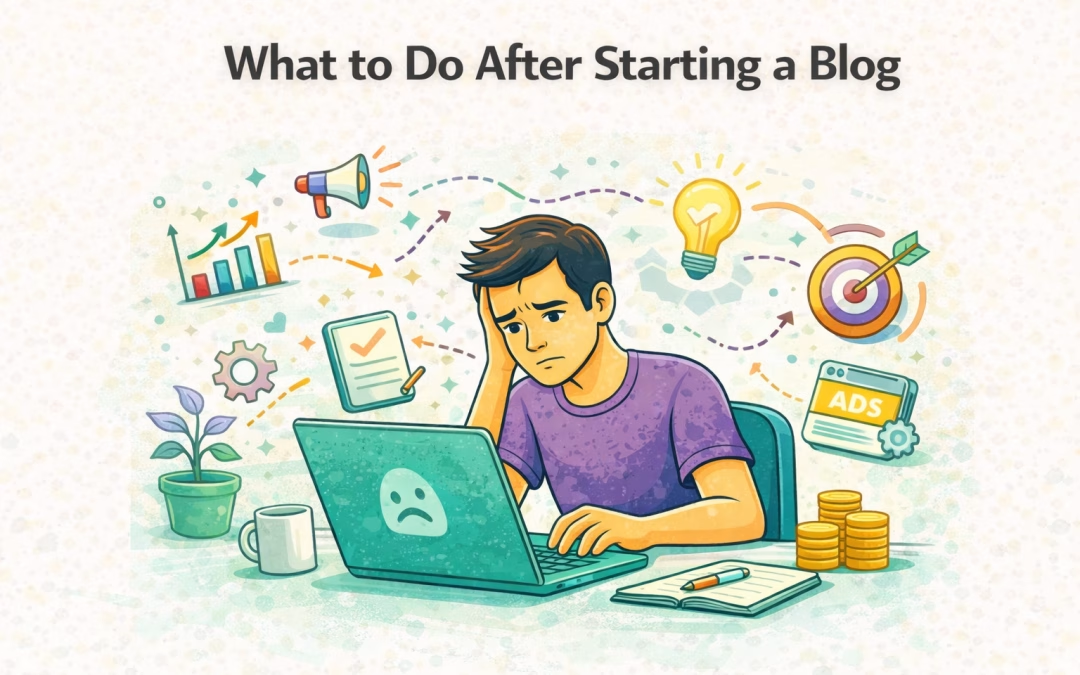
Starting a blog feels like a big milestone. You picked a domain. Set up your site. Published your first posts. And then something unexpected happens.
Nothing.
No traffic. No comments. No clear next step. This is where most beginners get stuck. Not because they lack motivation, but because they lack direction.
So instead of guessing, you need a simple plan. Not a complicated strategy. Not a 50-step system.
Just clear actions you can follow consistently.
The Real Problem After Launch
The biggest challenge is not technical. It is psychological. After launching, you lose structure. There is no checklist anymore. No obvious next step.
And that leads to:
- Inconsistent posting
- Random content
- Loss of momentum
The solution is not more information.
It is focused execution.
Step 1: Focus on Consistency First
Before traffic, before monetization, before anything else, focus on this. Consistency. Because without it, nothing compounds.
Set a simple publishing goal:
- 1 to 2 posts per week
That is enough. You do not need daily content. You need repeatable output.
Consistency builds:
- Skill
- Clarity
- Momentum
And those are your real early wins.
Step 2: Build a Simple Content Strategy
Random posts lead to random results. Instead, organize your content around a few core topics.
These are your content pillars.
For example:
- Beginner guides
- How-to tutorials
- Problem-solving posts
This gives your blog structure. And structure makes it easier to stay consistent. You are no longer asking “what should I write?”
You are choosing from a defined path.
Step 3: Learn Basic SEO That Actually Matters
You do not need advanced SEO. You need fundamentals.
Focus on:
- Writing posts around specific questions
- Using clear, simple titles
- Structuring content with headings
Think in terms of helpfulness. If your content answers real questions clearly, you are already ahead of most beginners.
Step 4: Start Driving Traffic Early
Do not wait for SEO to “kick in.” That takes time. Instead, start driving traffic manually.
Share your posts on:
- Social media
- Relevant communities
- Forums
The goal is not virality. The goal is initial exposure. Even a small audience helps you stay motivated.
Step 5: Create a Simple Promotion System
Most beginners publish and move on. That is a mistake. Promotion should be part of your workflow.
A simple system could look like:
- Share your post on 2 to 3 platforms
- Repost it later in a different format
- Highlight key points as standalone content
This turns one post into multiple touchpoints. And more touchpoints mean more chances to get noticed.
Step 6: Build an Email List From Day One
This is one of the most important steps. Do not wait until you have traffic.
Start early. Even if only a few people subscribe.
An email list gives you:
- Direct access to your audience
- Control over communication
- Long-term leverage
Because platforms change. But your list stays with you.
Step 7: Track What’s Working
You do not need complex analytics. Just pay attention.
Look at:
- Which posts get more views
- Which topics perform better
- Which formats feel easier to create
This helps you double down on what works. And ignore what does not.
Step 8: Improve Instead of Restarting
Beginners often fall into this trap. They start over too quickly. New design. New niche. New strategy. Instead, improve what you already have. Update posts. Refine structure. Write better content.
Progress comes from iteration. Not constant reinvention.
Step 9: Think About Monetization Later
It is tempting to monetize early. But without traffic, it does not matter.
Focus first on:
- Content
- Traffic
- Trust
Once those are in place, monetization becomes easier and more effective.
Step 10: Stay in the Game Long Enough
This is the step that matters most. Blogging rewards patience. Results take time. Most people quit before things start working.
If you stay consistent for:
- 3 months, you build momentum
- 6 months, you see patterns
- 12 months, you see results
The difference is not talent. It is persistence.
Final Thoughts
Starting a blog is exciting. But growth happens after the launch. In the quiet phase where no one is watching. This is where habits are built. And habits are what create long-term results. You do not need to do everything.
You need to do the right things consistently.
Actionable Takeaways
If you want a clear path forward, start here:
- Commit to publishing consistently every week
- Create content around clear topics and questions
- Learn and apply basic SEO principles
- Actively promote every post you publish
- Start building your email list immediately
- Track what works and refine your approach
- Focus on improvement, not perfection
- Delay monetization until you have traction
The goal is simple.
Keep moving forward. Because the bloggers who succeed are not the ones who start perfectly. They are the ones who keep going.